
Truck accidents can lead to devastating consequences, from severe injuries to significant financial losses. Due to their complexity, proving fault and securing fair compensation requires substantial evidence. Whether you’re dealing with a negligent driver, a reckless trucking company, or defective equipment, strong documentation is essential for building a solid case.
If you or a loved one has been involved in a truck accident, understanding the crucial pieces of evidence can make a significant difference in the outcome of your claim. In this guide, we’ll break down the key types of evidence you need and how a top-rated truck accident lawyer for legal help can assist you in gathering and preserving them.
1. Evidence from the Accident Scene
The first and most critical set of evidence comes directly from the accident scene. Collecting information immediately after the crash can strengthen your case significantly.
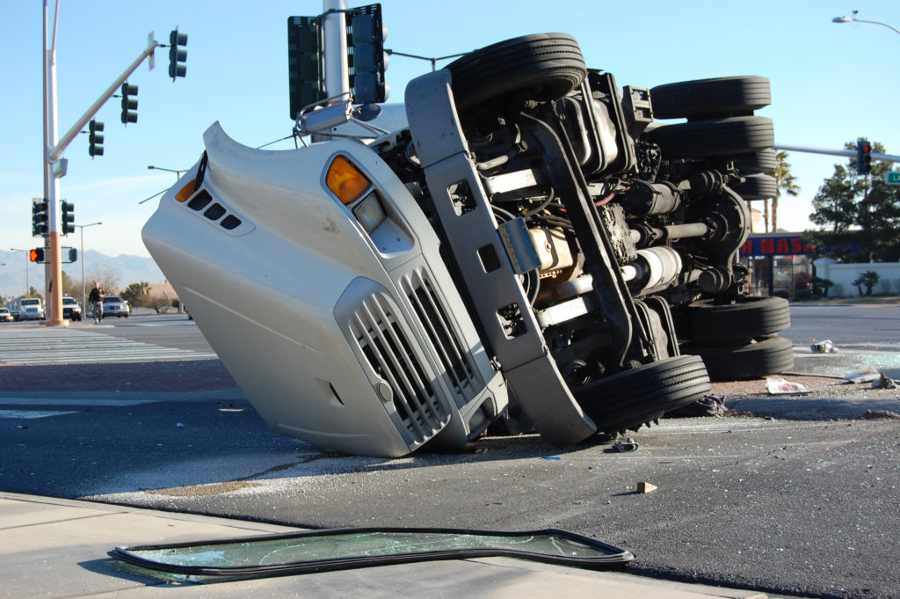
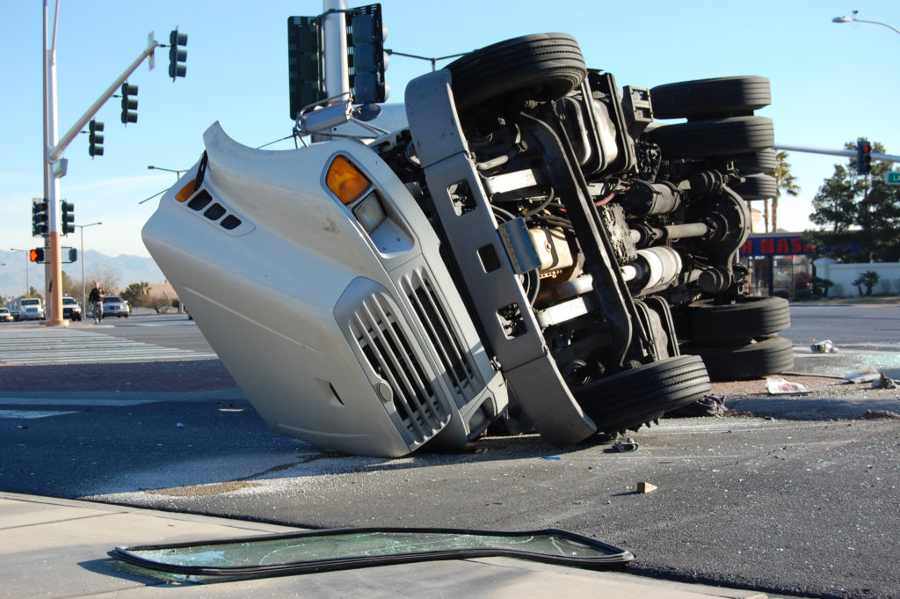
- Photographs & Videos: Take clear pictures and videos of the accident scene, vehicle damage, skid marks, road conditions, traffic signals, and any visible injuries. This visual evidence can help reconstruct what happened.
- Witness Statements: Eyewitnesses can provide an unbiased perspective on how the accident occurred. Collect their names, phone numbers, and statements if possible.
- Police Report: A police report is an official record of the accident and can be instrumental in proving fault. Request a copy as soon as it becomes available.
2. Truck Driver & Company Records
Trucking companies and their drivers must follow strict regulations. Reviewing their records can uncover violations or negligence.
- Driver’s Logbook: Federal laws limit how many hours a trucker can drive without rest. Examining logbooks can reveal violations of these hours-of-service regulations, which often contribute to driver fatigue and accidents.
- Employment & Training Records: Was the driver properly trained and licensed? Reviewing these records can uncover negligence on the part of the trucking company.
- Drug & Alcohol Test Results: After an accident, truck drivers may be required to take drug or alcohol tests. These results can indicate whether impairment played a role in the crash.
- Truck Maintenance Records: Improper maintenance can lead to mechanical failures. Checking the truck’s maintenance logs can help determine if negligence played a part in the accident.
3. Electronic & Black Box Data
Many commercial trucks are equipped with electronic logging devices (ELDs) and black box recorders that store crucial data.
- Electronic Logging Device (ELD) Data: This records the driver’s hours and compliance with federal regulations. A top-rated truck accident lawyer for legal help can access this data to check for rule violations.
- Black Box Recorder: This device captures critical crash-related information, such as speed, braking patterns, and sudden movements, helping experts determine how the accident happened.
- GPS & Dispatch Records: GPS data can track the truck’s route and stops, while dispatch records can reveal if the driver was under pressure to meet unrealistic deadlines, leading to reckless driving.
4. Medical & Financial Documentation
Proving the impact of the accident requires strong medical and financial evidence.
- Medical Records & Bills: These documents demonstrate the extent of your injuries, the treatments you’ve received, and the costs associated with your medical care.
- Expert Medical Testimony: Doctors or medical specialists can provide professional insight into the long-term effects of your injuries and necessary future treatments.
- Pay Stubs & Employment Records: If the accident caused you to miss work, these records help prove lost wages and potential long-term financial damages.
5. Expert Testimony & Accident Reconstruction
In complex cases, expert testimony can be crucial in proving fault and negligence.
- Accident Reconstruction Experts: These professionals analyze crash evidence, vehicle damage, and road conditions to recreate the accident and determine fault.
- Trucking Industry Experts: Experts familiar with federal and state trucking regulations can testify about violations and unsafe practices that contributed to the crash.
Conclusion
Building a strong truck accident case requires comprehensive evidence, from accident scene documentation to truck company records and expert testimony. Gathering this evidence quickly and correctly can significantly impact your claim’s success.
Working with a top-rated truck accident lawyer for legal help ensures that all necessary evidence is collected, preserved, and used effectively to secure maximum compensation. If you or a loved one has been injured in a truck accident, don’t wait—consult an experienced attorney today to protect your rights and fight for the justice you deserve.








Write a comment ...