
When a worker in New Jersey is injured or becomes ill because of their job, the workers' compensation system is in place to provide medical treatment, wage replacement, and other essential benefits. However, the process can often be confusing and difficult to navigate alone. That’s where legal support can make a big difference. This blog breaks down the basics of New Jersey’s workers’ compensation laws, explains how a Skilled Workers Compensation Lawyer | Attorney in New Jersey can help, and offers tips on finding trustworthy legal representation—all in simple, easy-to-understand terms.
What Is Workers’ Compensation?
Workers’ compensation is a “no fault” insurance program that provides benefits to employees who suffer job-related injuries or illnesses. This means that employees receive benefits regardless of who was at fault for the injury. In return, workers generally give up the right to sue their employer for additional damages, except in rare cases of intentional harm.
Key benefits include:
Medical treatment: All necessary and reasonable medical care related to the work injury is covered.
Wage replacement: If you miss work due to your injury, a portion of your wages is replaced.
Permanent disability compensation: If your injury leads to permanent impairment, you may be entitled to additional payments.
Death benefits: If a worker dies as a result of their job, dependents may receive compensation.
Who Is Covered?
Almost every employee in New Jersey is covered under the New Jersey Workers’ Compensation Act (N.J.S.A. 34:15-1 et seq.). The only exceptions are certain federal employees and longshoremen, who are covered by other federal laws.
How to Report a Workplace Injury
If you are injured at work:
Notify your employer as soon as possible. This can be done verbally or in writing, but written notice is always safer.
Seek medical attention. Your employer or their insurance carrier has the right to designate the medical provider.
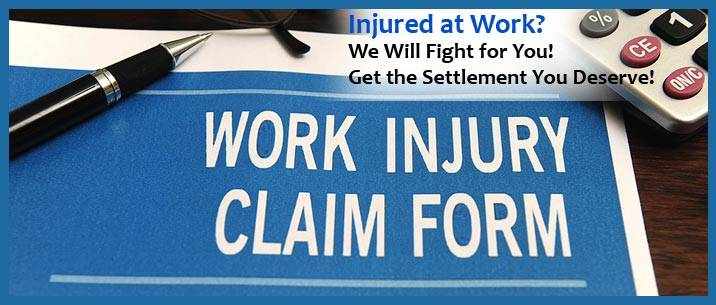
File a claim. If your employer does not report your injury, you can file a claim directly with the Division of Workers’ Compensation.
What Does a Workers’ Compensation Lawyer Do?
While many claims are handled without dispute, legal issues can arise. A workers’ compensation lawyer helps you in:
Understand your rights and benefits.
File or appeal a claim.
Gather evidence and medical records.
Negotiate with insurance companies.
Represent you at hearings or in court if necessary.
You may need a lawyer if:
Your claim is denied.
You are not receiving the correct benefits.
Your employer retaliates against you for filing a claim.
There’s a dispute about the extent of your injury or disability.
Choosing a Qualified Workers’ Compensation Attorney
Not all lawyers are equally qualified in this specialized area. In New Jersey, the Supreme Court of New Jersey Board on Attorney Certification certifies attorneys who have demonstrated significant experience and knowledge in workers’ compensation law.
Why choose a certified attorney?
They have passed a rigorous process to prove their expertise.
Certification helps ensure you are working with someone who understands the complexities of workers’ compensation law.
Key Legal Provisions
The New Jersey Workers’ Compensation Act outlines the rights and responsibilities of both employers and employees. Some important sections include:
N.J.S.A. 34:15-1: Employees’ right to recover for injuries.
N.J.S.A. 34:15-8: Employees generally cannot sue their employer for workplace injuries, except in cases of intentional harm.
N.J.S.A. 34:15-12: Schedule of payments for different types of injuries.
Common Challenges in Workers’ Compensation Cases
Some of the most frequent issues that lead workers to seek legal help include:
Claim denials: Employers or insurance companies may deny claims, arguing the injury was not work-related or that you can still work.
Disputes over medical care: Disagreements about the necessity or extent of medical treatment.
Retaliation: Employers are prohibited from retaliating against employees for filing a workers’ compensation claim.
Permanent disability disputes: Disagreements about the severity of a permanent injury.
Conclusion
Workers’ compensation is an essential protection for New Jersey employees, ensuring access to medical care and financial support after a workplace injury. While the system is designed to be straightforward, disputes and complications can arise. Understanding your rights, knowing when to seek legal help, and choosing a qualified attorney are crucial steps in protecting your interests.






Write a comment ...